


The gaits of the horse
Horses move in several gaits, from the quiet walk to the fast gallop. Discover how many beats each gait has, in what order the legs fall, and whether there is a moment of suspension.
Natural gaits
The gaits almost every horse shows naturally: walk, trot, canter and gallop.
-
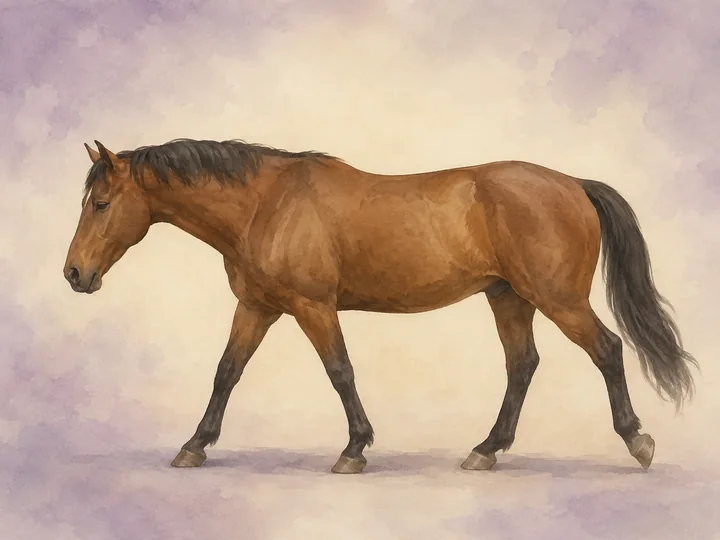
Walk
The walk is the slowest gait: a calm four-beat movement in which the four legs land one after another, with no moment of suspension.
-
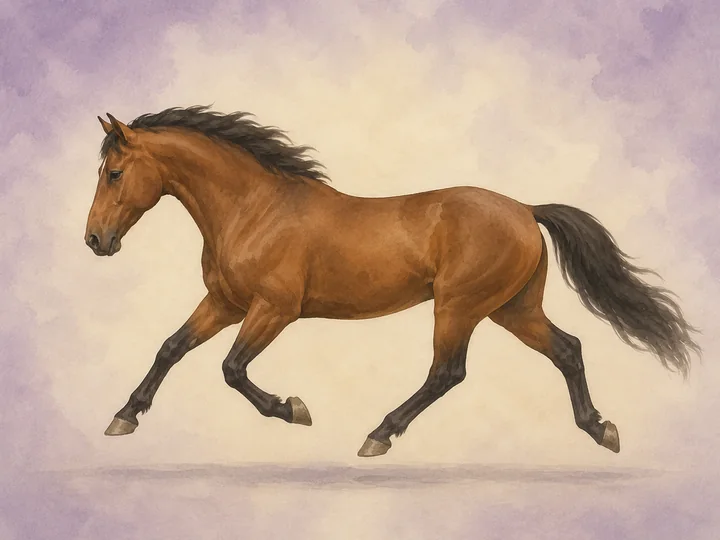
Trot
The trot is a two-beat gait in which diagonal pairs of legs move together, with a brief moment of suspension between the two strides.
-
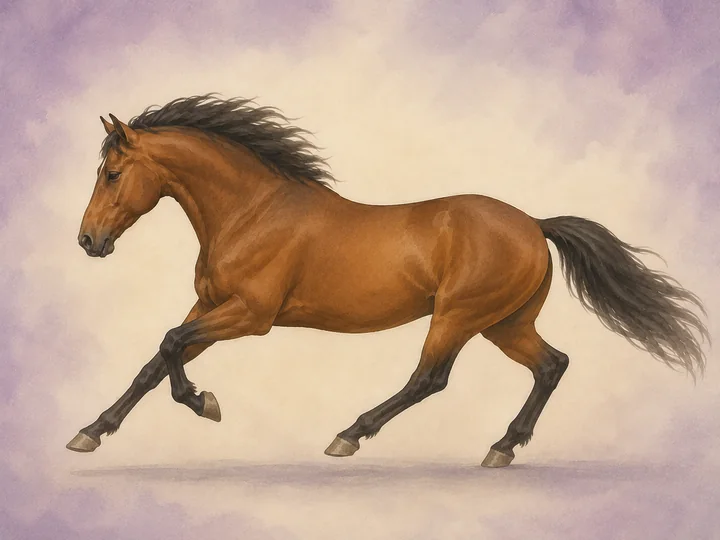
Canter
The canter is a three-beat gait: you hear three hoofbeats per stride, followed by a moment of suspension.
-
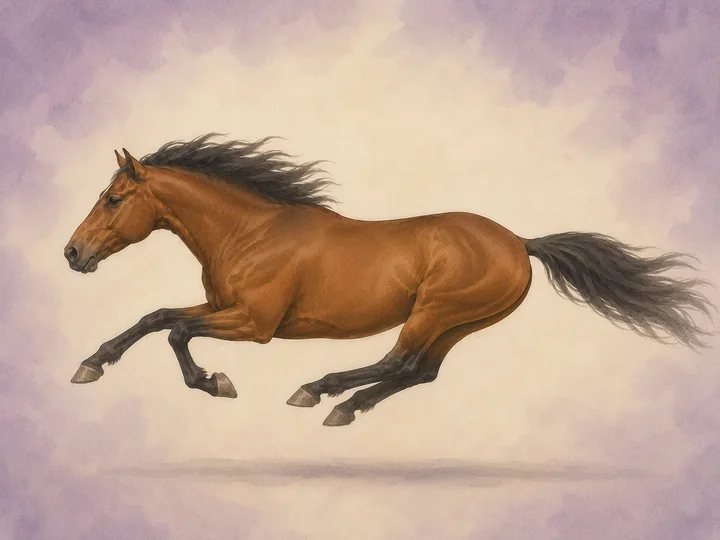
Gallop
The gallop is the fastest gait: an asymmetrical four-beat gait in which each leg lands separately, followed by a moment of suspension.
Special (gaited) gaits
Lateral and broken gaits of gaited breeds, such as pace, tolt and rack.
-
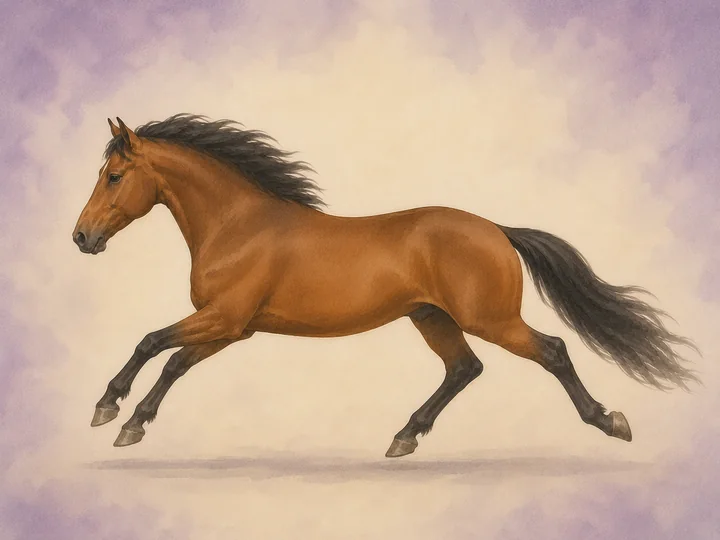
Pace
The pace is a lateral two-beat gait: the two legs on the same side move together, instead of diagonally as in the trot.
-
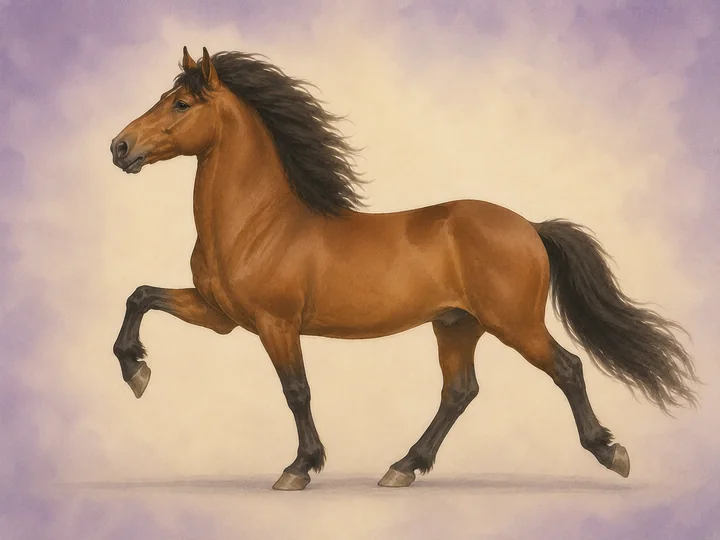
Tolt
The tolt is a lateral four-beat gait without suspension: a very comfortable gait of the Icelandic horse.
-
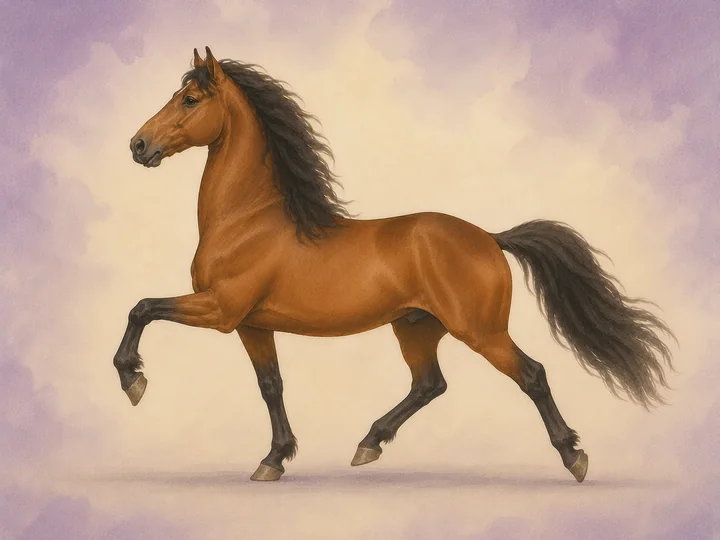
Rack
The rack is a fast, lateral four-beat gait with even intervals and no suspension, best known from the American Saddlebred.
-
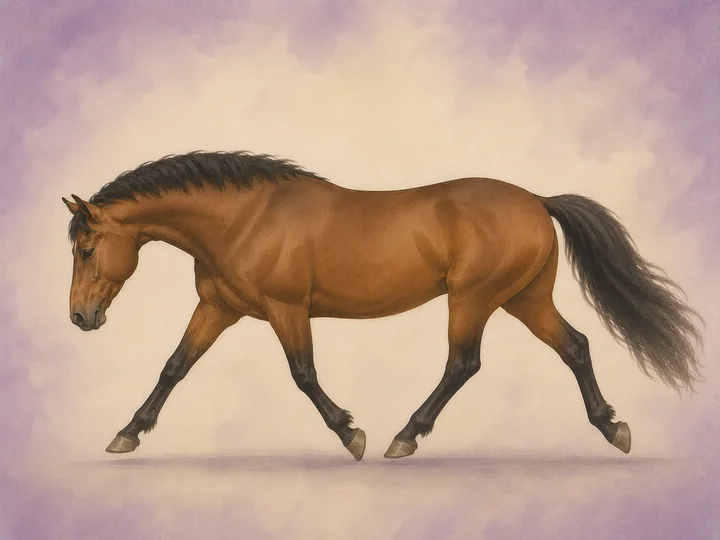
Fox trot
The fox trot is a diagonal four-beat gait without suspension, in which the fore hoof of a diagonal pair lands just before the hind.
-
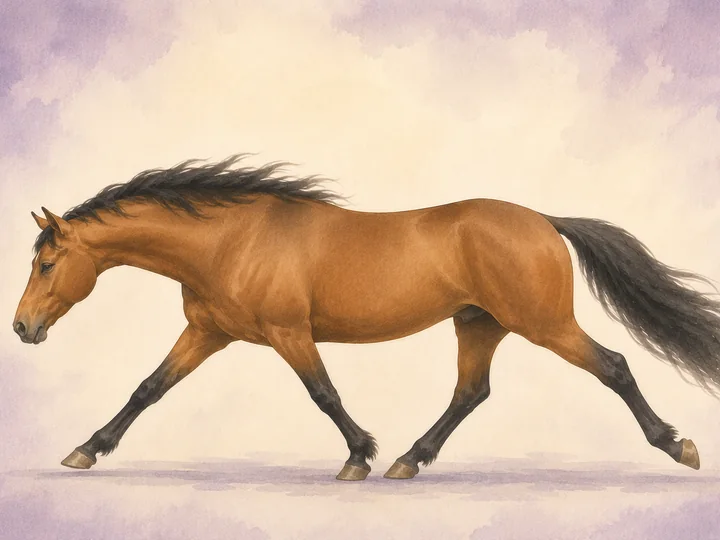
Running walk
The running walk is a lateral four-beat gait in the same order as the walk, but faster and very smooth, with a characteristic head nod.