


Stress signals
No single signal on its own, but a pattern: among others visible eye white, high head, droppings, sweating and not settling.
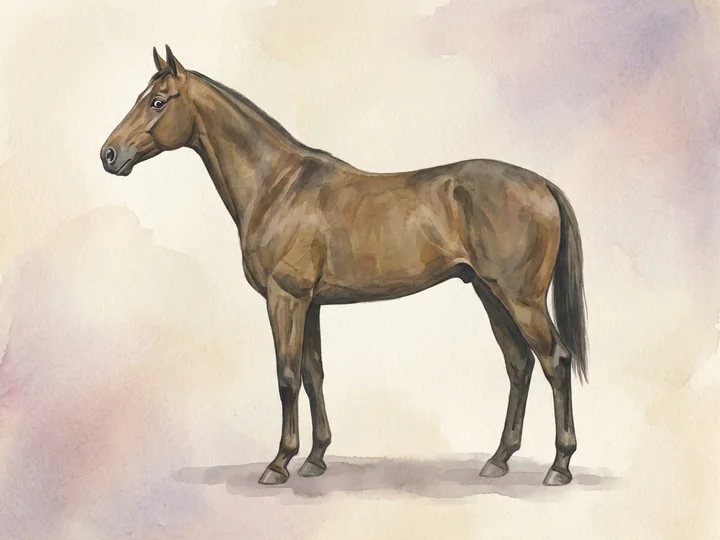
What you see
A combination of signs can point to stress: visible eye white, a tight face, high head, tense body, frequent droppings, sweating without effort, fast breathing and difficulty settling.
What it can mean
- Acute stress from a new, busy or frightening situation.
- Ongoing stress from the environment, little company, too little movement or unclear handling.
- Stress that accompanies pain or discomfort.
What this does not prove
No single sign proves stress. Sweating can come from heat, frequent droppings from feed. It is the pattern of several signals together, and the change from what is normal, that counts.
Read the combination and the context
Weigh several signals together and compare with what is normal for this horse. See whether the signs disappear once the trigger is gone, or whether they persist, which points to ongoing stress or pain.
When to seek help
Persistent stress signs with no clear trigger, or together with signs of pain, should be assessed by a vet and if needed a behaviour specialist, with attention to the living environment.
Discover more
Sources: World Horse Welfare · McGreevy, P. (2012), Saunders/Elsevier · International Society for Equitation Science (ISES).