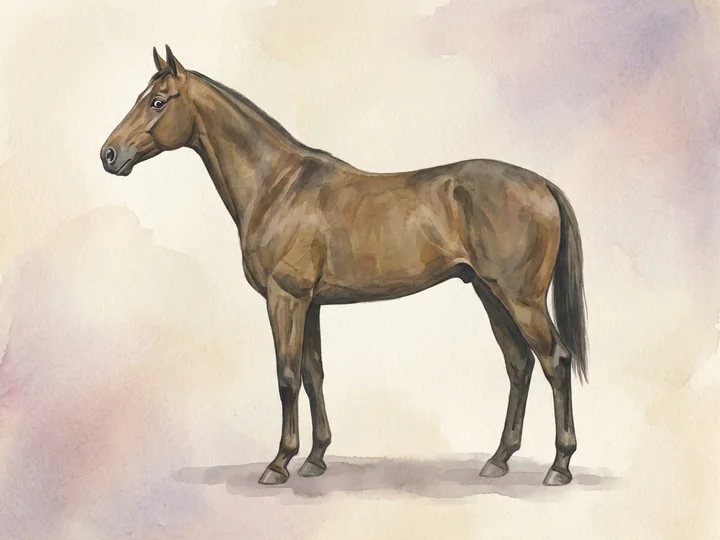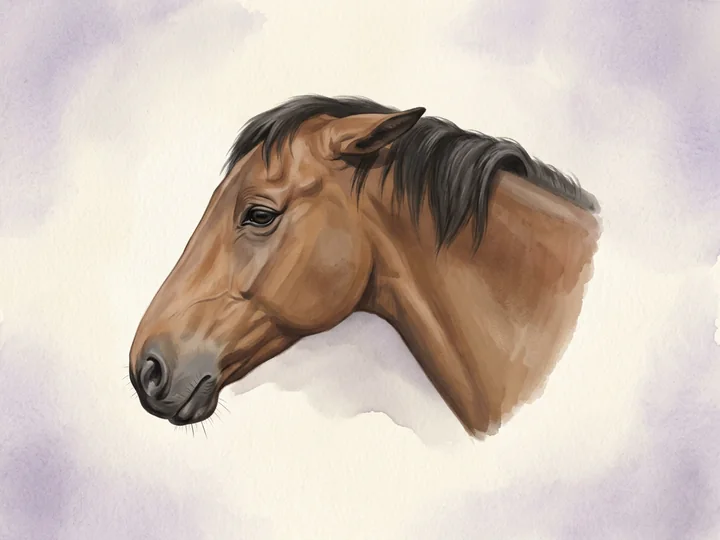


What is your horse trying to tell you?
Horses talk with their bodies: with ears, head, mouth, tail and posture. This section helps you learn to observe, not to read minds. Any one signal can mean several things; only the context and the combination of signals point you in a direction.
Read the combination: ears, mouth, neck and tail
A single signal tells you little. The picture only appears once you read ears, face, neck, tail and the whole posture together, and weigh that against the situation and against what is normal for this horse. Below are a few examples of how the same individual signals can mean very different things.
Ears forward
Both ears point forward, toward something in front of the horse. This shows attention, not automatically happiness.
Attention and interest in something ahead, such as a sound, a person or food. / A pleasant expectation, for example as food or a familiar person arrives. / Heightened alertness at something new or unexpected, which can tip over into a startle.
Ears forwardHead raised high
The head goes up and the neck straightens. Often alertness or tension, sometimes just looking into the distance.
Alertness: the horse has seen or heard something and is judging whether it is dangerous. / Excitement or anticipation, for example as herd mates leave. / Under saddle, a high head can belong with tension, imbalance, discomfort or over-strong aids.
Head raised highLicking and chewing
The horse licks its lips and makes chewing movements without food. Often after a tense moment, not simply submission.
Often just after a tense or uncertain situation, as the horse shifts from tension toward more relaxation. / Possibly the result of a dry mouth from stress becoming moist again on relaxing. / Sometimes simply a response to taste, dust or saliva.
Licking and chewingTail swishing
The tail lashes sharply or repeatedly. It can be flies, but also irritation, tension or pain.
Chasing flies or relieving itch, especially in the warm season. / Irritation or impatience, for example with repeated aids or touch. / Tension or pain: a lot of hard tail swishing is one of the ridden horse pain ethogram behaviours.
Tail swishingThe ears
Ears move fast and turn toward attention. Their position mostly tells you where the horse is focusing, not straight away how it feels.
-
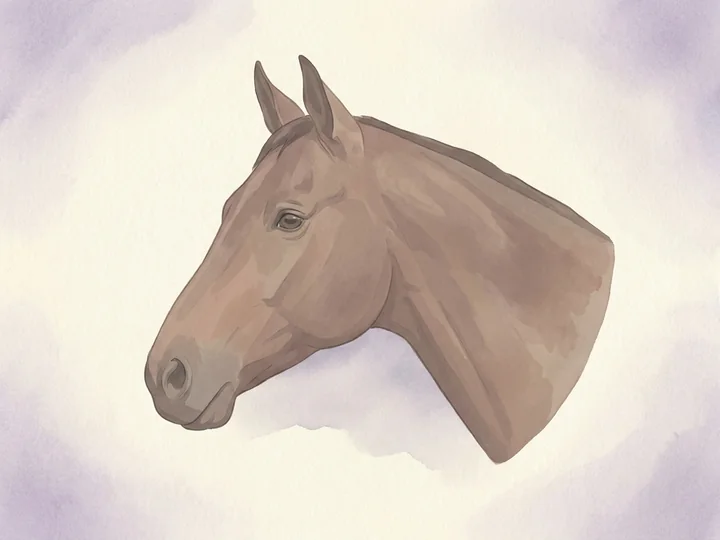
Ears forward
Both ears point forward, toward something in front of the horse. This shows attention, not automatically happiness.
-
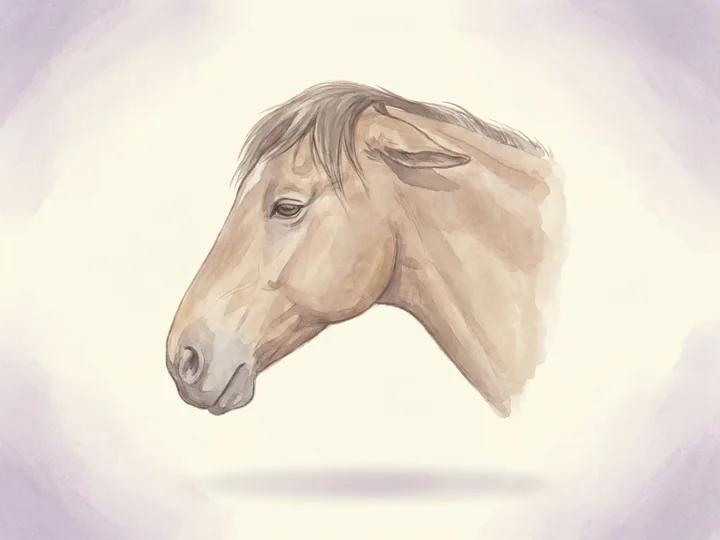
Ears sideways or relaxed
The ears hang loosely to the side. Often a sign of rest, sometimes of dozing, sometimes of not feeling well.
-
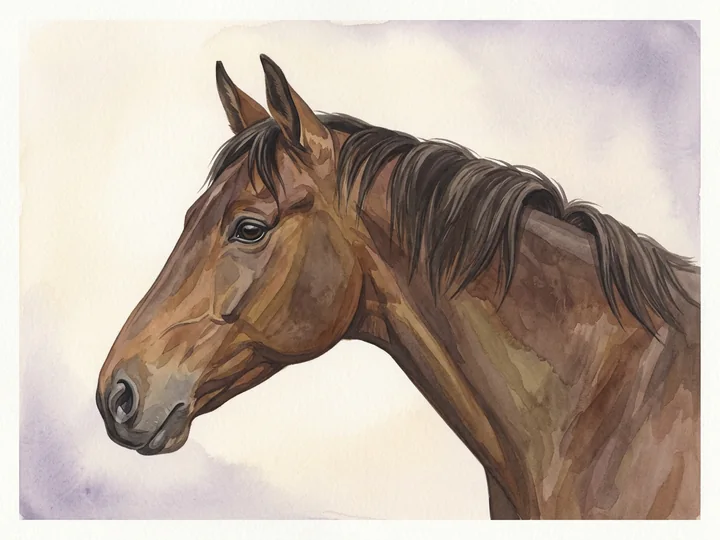
Ears turned back
The ears turn back. This can be listening, concentration, doubt or the start of irritation.
-
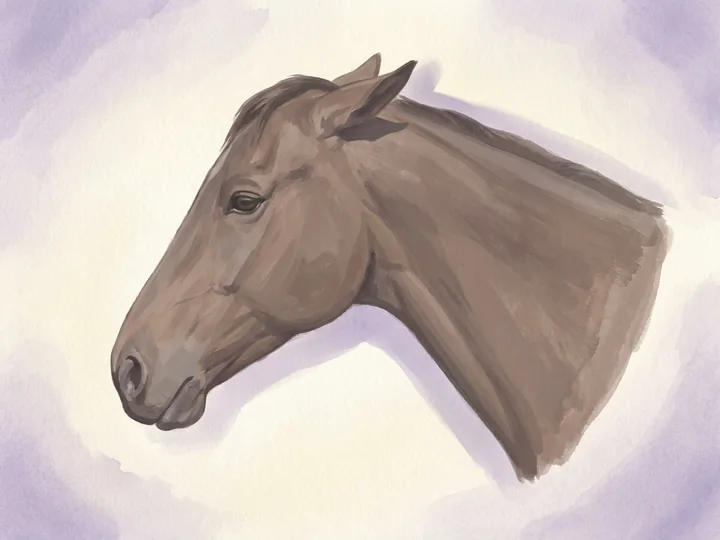
Ears pinned flat
The ears lie tight and flat against the neck. Usually a clear warning, but it can also belong with pain.
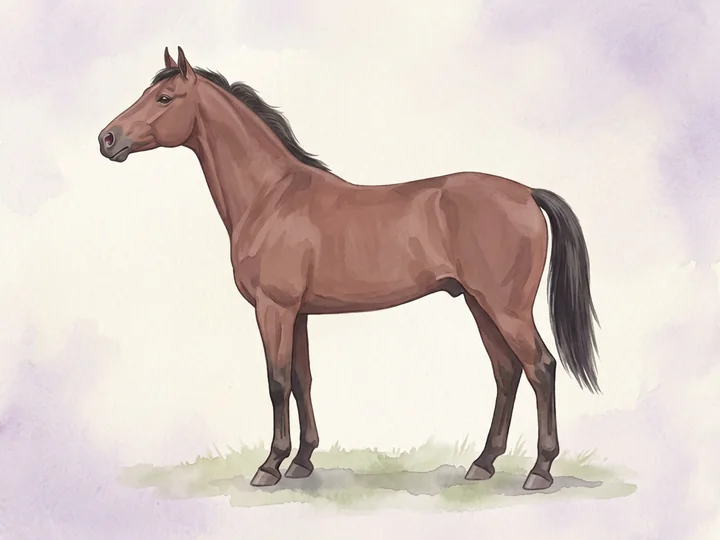
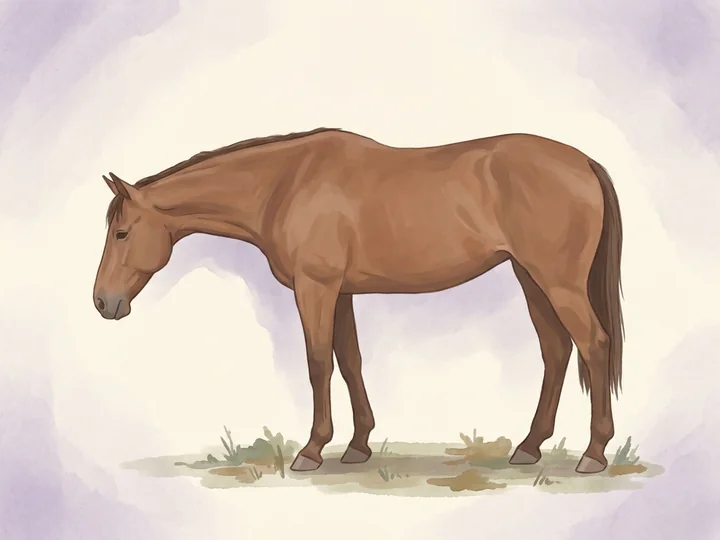
Head and neck
The height of the head relates to tension and attention, but only takes on meaning together with the face and the situation.
Mouth and face
The mouth, lips and chewing show tension or relaxation. Some gestures, such as licking and chewing, are often misread.
-
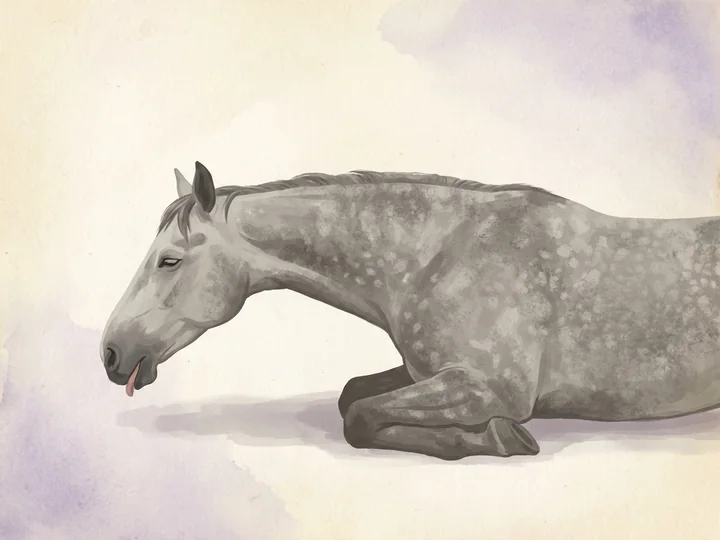
Relaxed lower lip
The lower lip hangs loose and sometimes slightly down. Usually relaxation or dozing.
-
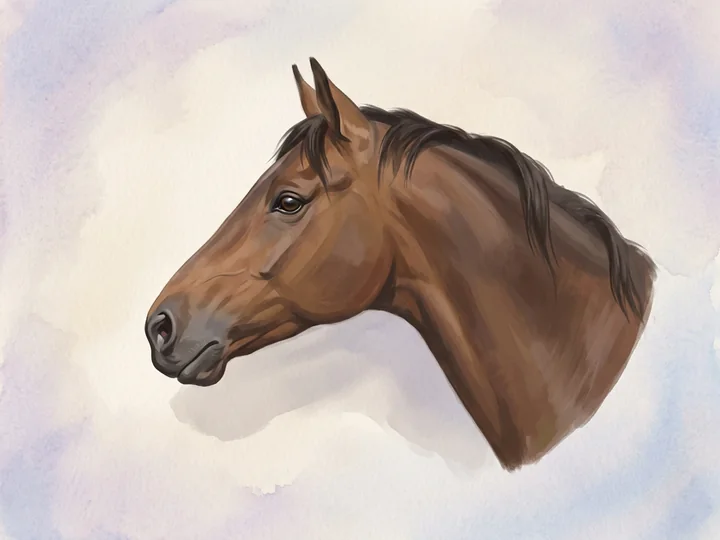
Tense mouth
The mouth and muzzle are tight and the lips may be pinched. Often tension, discomfort or pain.
-
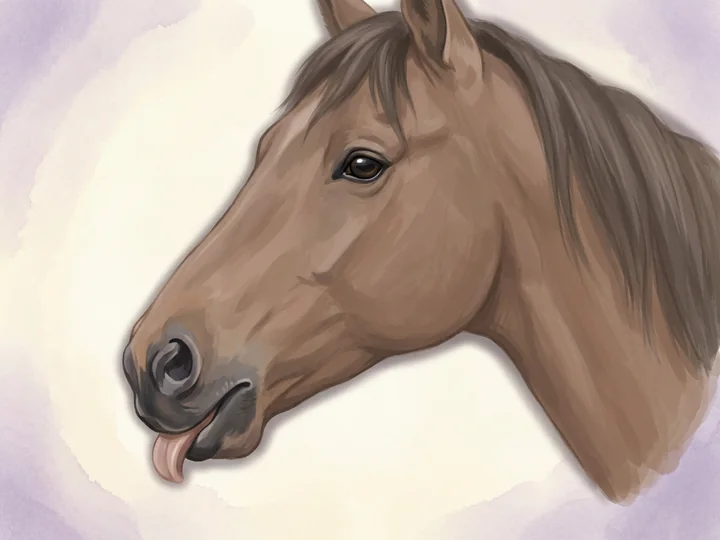
Licking and chewing
The horse licks its lips and makes chewing movements without food. Often after a tense moment, not simply submission.
-
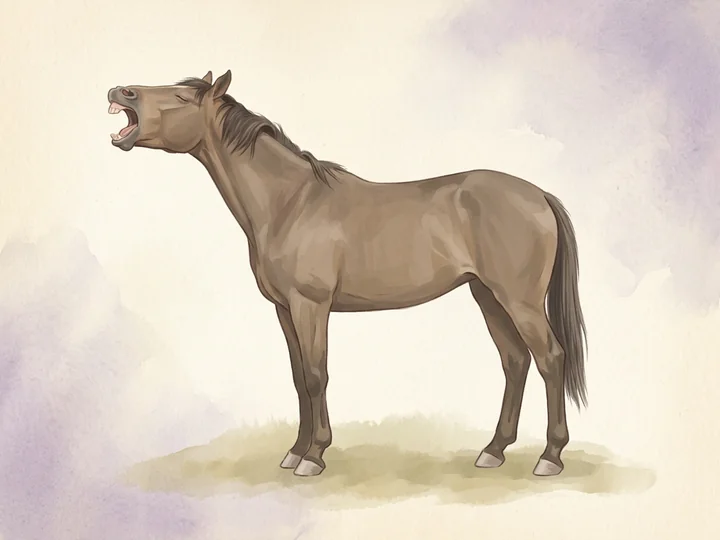
Yawning
The horse opens its mouth wide in a slow yawn. The meaning is nuanced: it can belong with relaxation, but also with tension or discomfort.
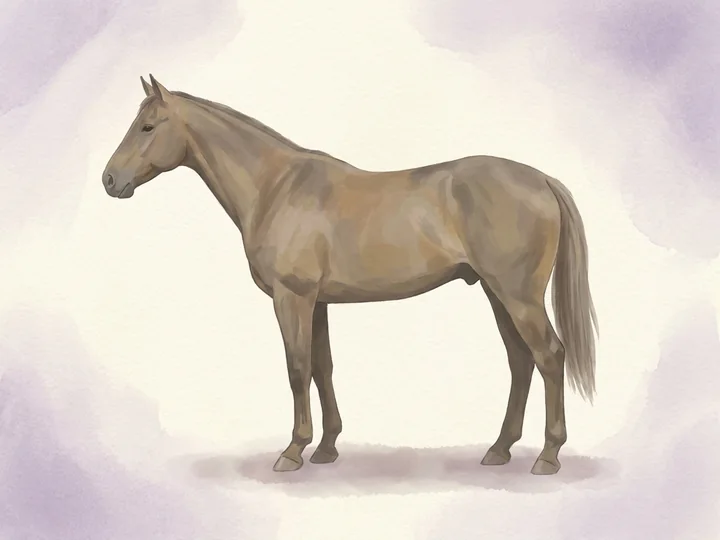
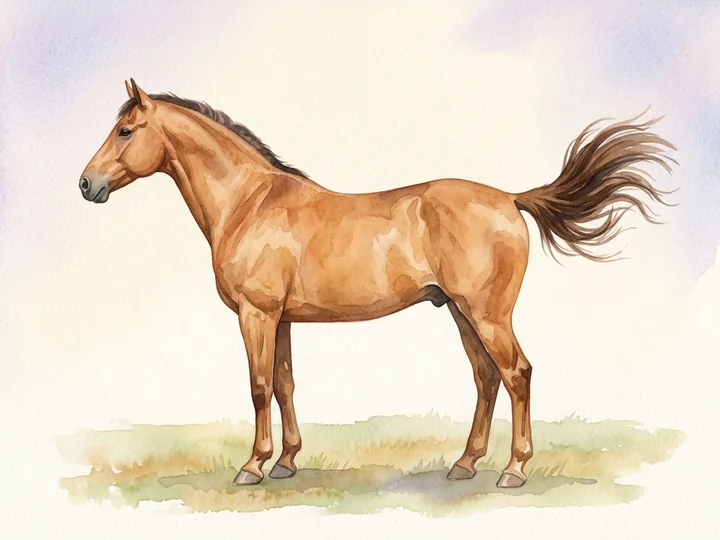
The tail
The tail moves for flies, but also with irritation, tension or pain. The way it moves and the context make the difference.
Sounds and breath
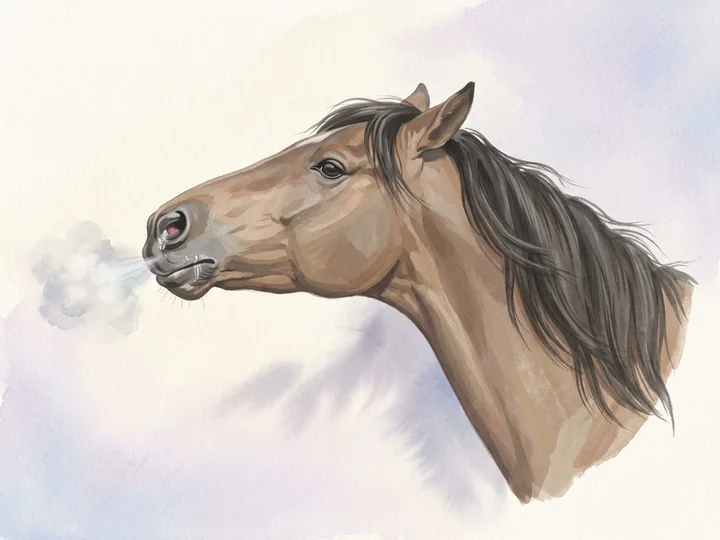
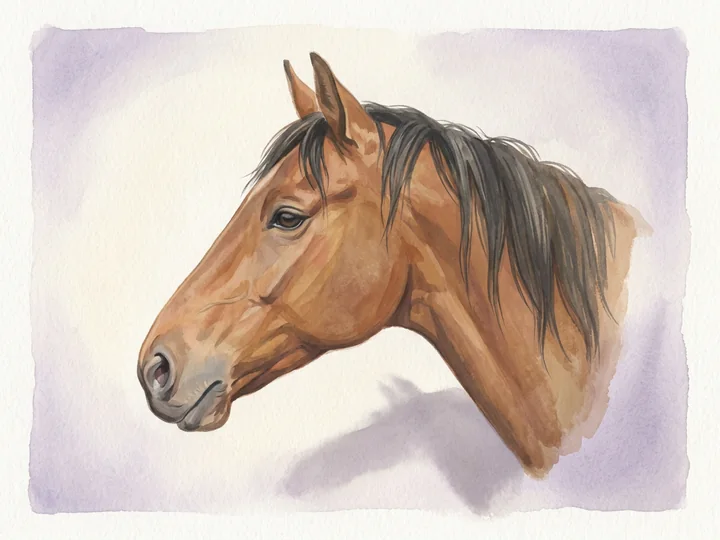
Horses make sounds with their breath. The sharp alarm blow and the soft, rhythmic snort do not mean the same thing.
Body and maintenance
Everyday behaviour such as pawing, rolling, resting and sleeping is usually normal, but in certain combinations can point to discomfort.
-
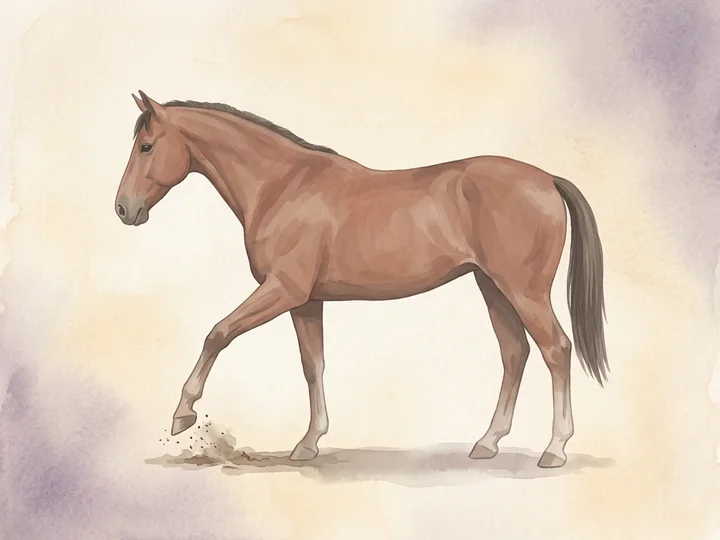
Pawing
The horse scrapes a foreleg over the ground. Often impatience or frustration, sometimes a sign of belly pain.
-
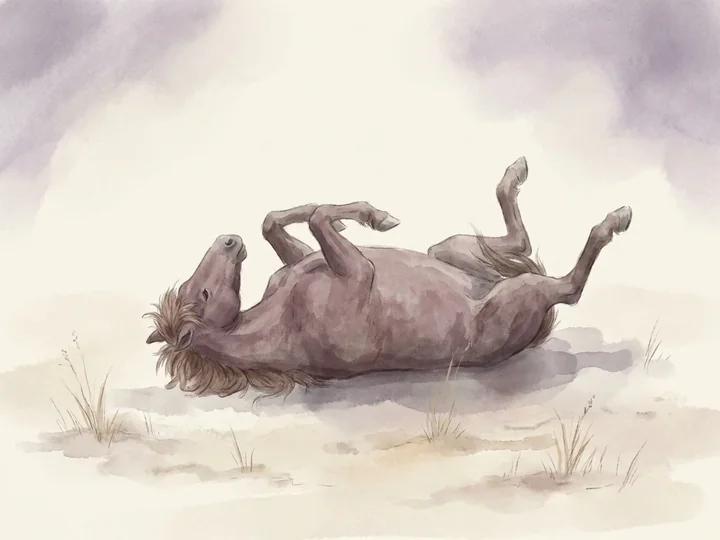
Rolling
The horse lies down and rolls over its back. Usually normal comfort behaviour, but violent repeated rolling can be colic.
-
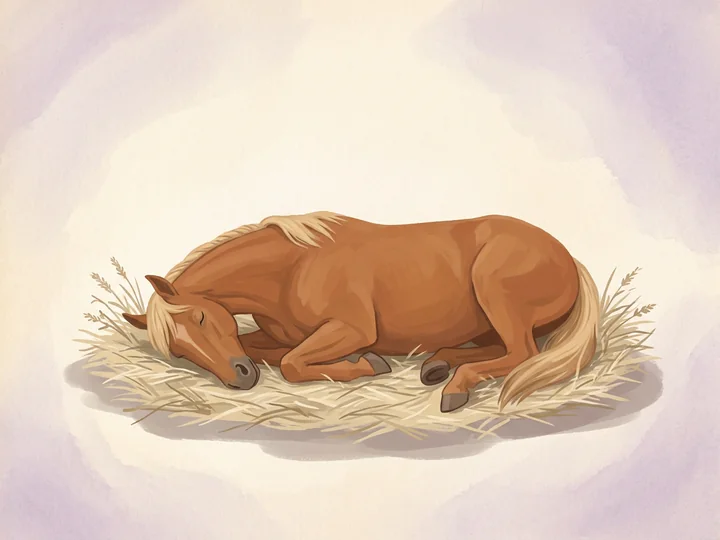
Rest and sleep
Horses doze standing and sleep in short bouts. For real deep sleep they must lie down flat now and then.
Social behaviour
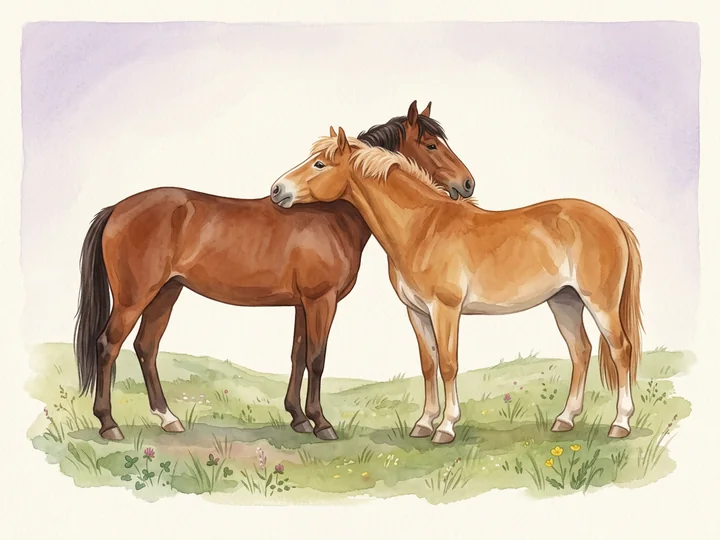
Horses are herd animals. Much of their behaviour only makes sense in the context of the group and the bonds within it.
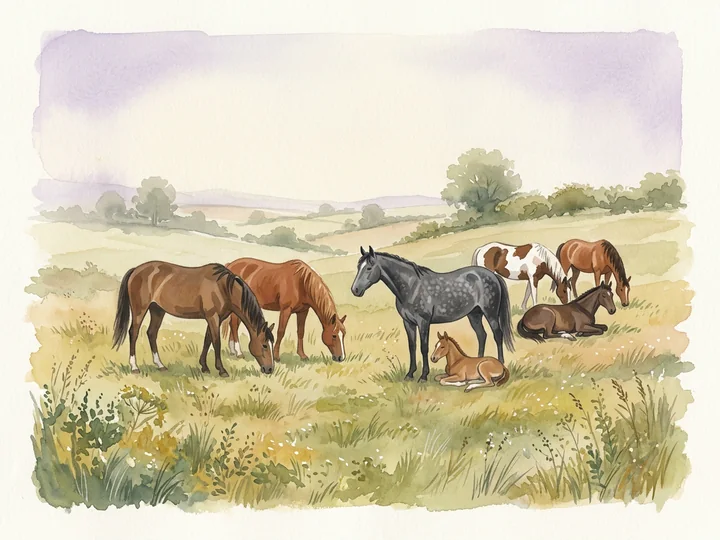
Defence, threat and fear
Threatening, biting, kicking, fleeing and freezing are communication or survival, not a bad character. Fear or pain is often involved.
-
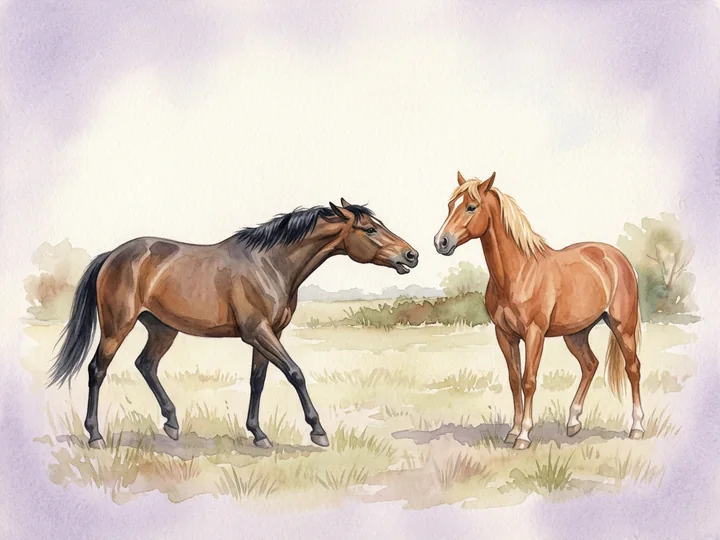
Threat display
A warning without contact: pinned ears, a stretched neck or a threatening gesture. Meant to create distance.
-
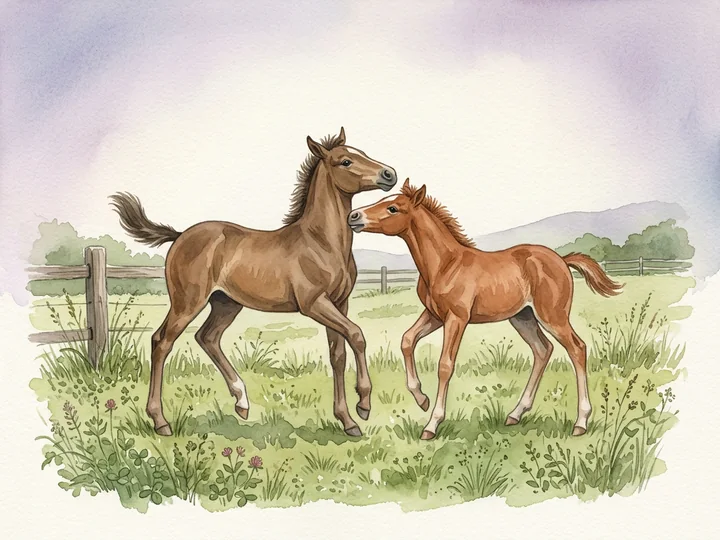
Biting
From nipping and nibbling to a real bite. The meaning ranges from play and mutual grooming to defence, fear or pain.
-
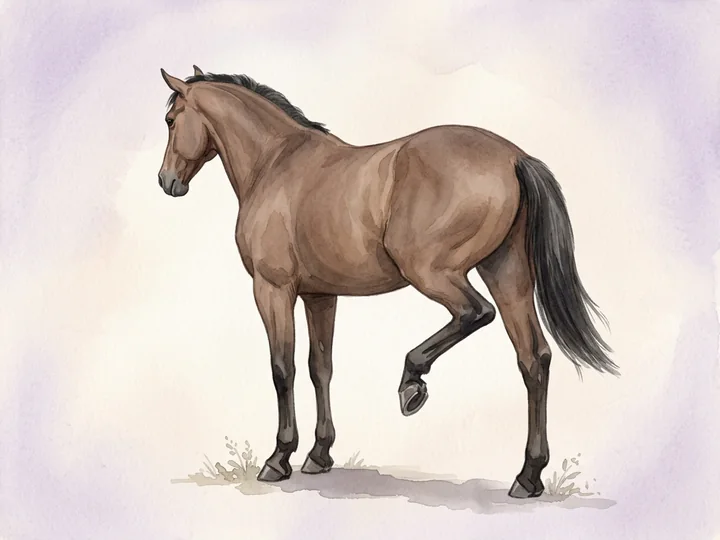
Kick threat
A raised or cocked hind leg as a warning. Usually defence or creating distance.
-
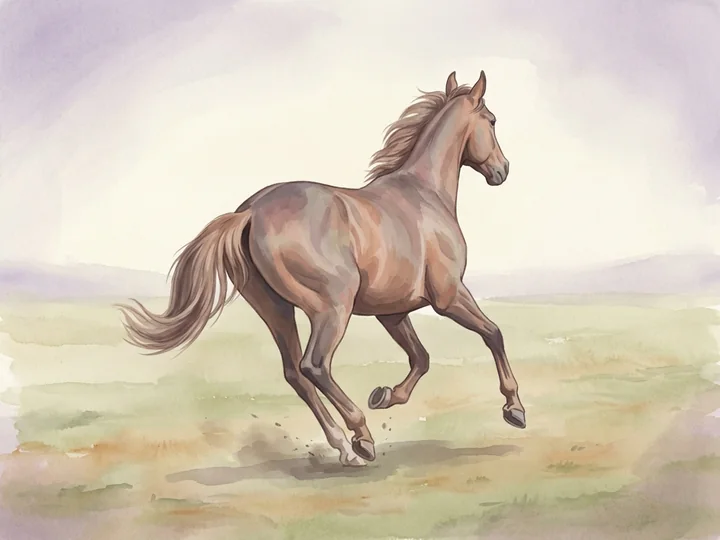
Flight response
Jumping away, shying sideways or bolting. The horse is by nature a flight animal and reacts to what it perceives as a threat.
-
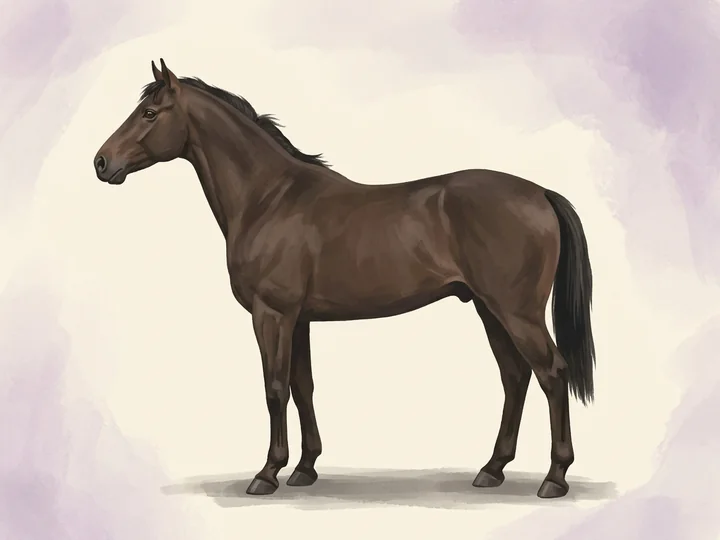
Freezing
The horse stiffens and stands motionless. This is not always calm; it can be high tension or helplessness.
Stress and pain
Stress and pain rarely show in a single sign. It is about patterns and about change from what is normal. Behaviour alone does not diagnose.