


Poisonous plants
Many common plants, shrubs and trees are poisonous to horses. This is a short introduction and referral, not a complete safety list.
General information, not individual feeding or ration advice. For your own horse, consult your vet or a nutritionist.
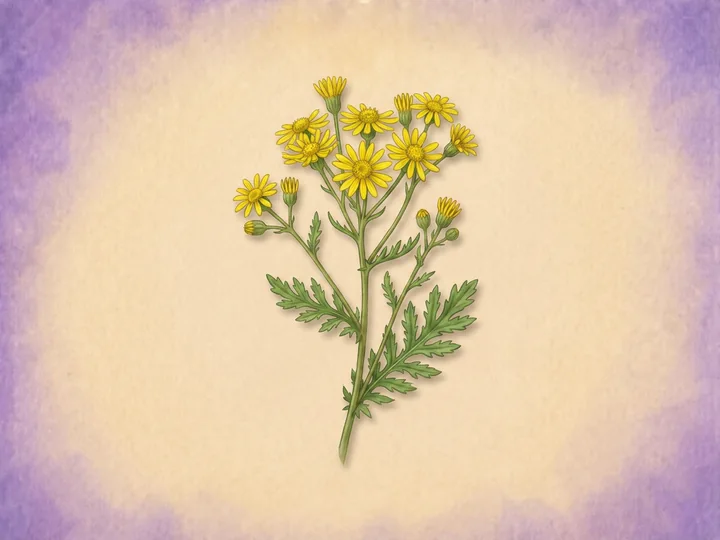
How does it work?
Around paddocks and stables grow plants that can be dangerous or even deadly to horses. Frequently mentioned examples are ragwort, yew, oak and acorns, and in Europe the sycamore, whose seeds and seedlings can cause atypical myopathy, a serious muscle disease. Many plants stay poisonous when they are dried or cut, so hedge clippings and plants in hay are a risk too.
Why it matters
Because the dangerous species vary by region and season, this subject is too important and too broad for a short list. See this as a prompt to check your paddock and to consult reliable, up-to-date sources.
Common misconceptions
- Horses do not always avoid poisonous plants of their own accord, certainly not when there is little other feed or when the plant is in hay.
- A plant that has been cut or dried is not automatically harmless; some even become more palatable that way.
What to watch for
This page is explicitly not a complete safety list. Remove suspect plants from the paddock, keep hedge clippings away from horses, and consult your vet and a reliable, up-to-date list such as those from recognised organisations. If poisoning is suspected: call the vet immediately.
Discover more
Sources: British Horse Society · British Horse Society · ASPCA Animal Poison Control.