


Horse nutrition: the basics
Discover what horses eat and how their digestive system shapes the basic rules of feeding. Each topic first explains what it is, why it matters and what to watch out for. This is general knowledge, not individual ration advice.
General information, not individual feeding or ration advice. For your own horse, consult your vet or a nutritionist.
The route feed takes
From mouth to hindgut: where is what digested?
- Mouth and chewingChewing makes saliva that buffers stomach acid.
- StomachSmall and always acidic, made for small, frequent bites.
- Small intestineEnzymes digest starch, sugar, protein and fat.
- Cecum and large colonMicrobes ferment the fibre into energy.
Roughage
Grass, hay, haylage and straw: the fibre-rich base of every horse's diet.
-
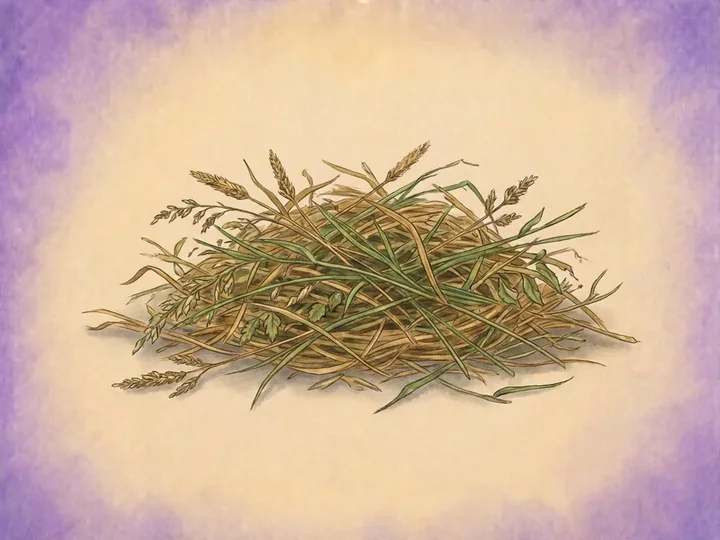
Roughage
Roughage such as grass, hay and haylage is the foundation of every horse's ration. Horses are grazers that take in small amounts of fibre-rich feed throughout the day.
-
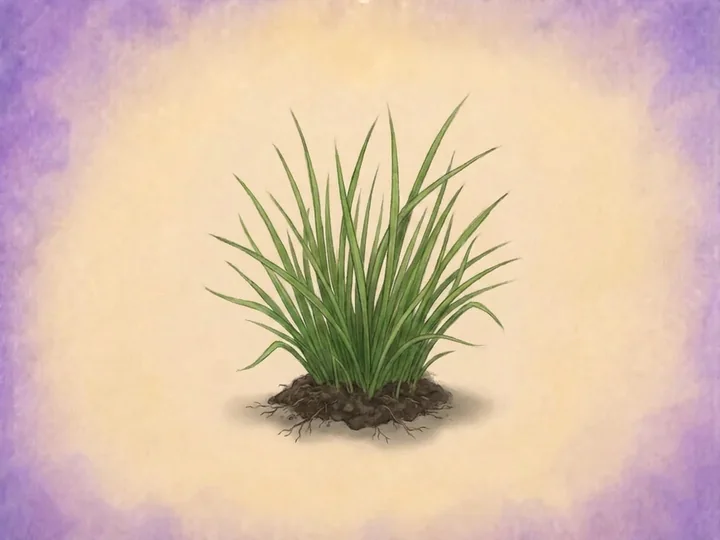
Grass
Fresh grass is the most natural feed for horses: high in water, high in fibre and the basis of turnout.
-
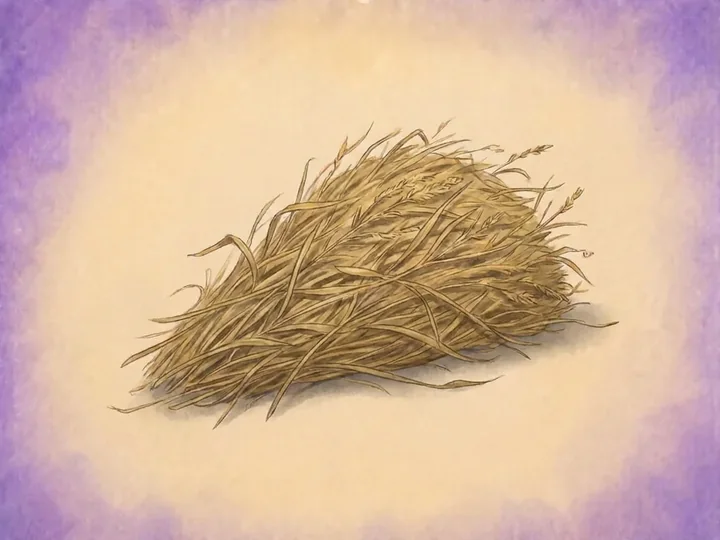
Hay
Hay is grass that has been dried so it keeps for a long time. For many horses it is the main source of roughage, especially in winter and when stabled.
-
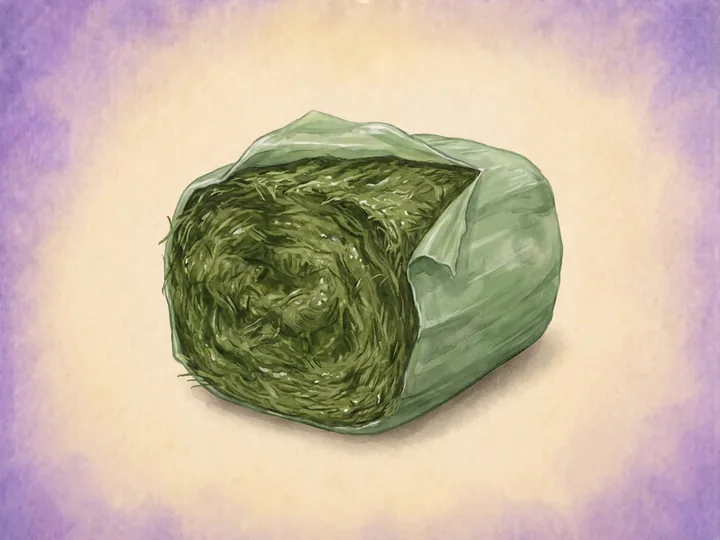
Haylage
Haylage is grass that has been dried less than hay and wrapped airtight, after which it ferments slightly.
-
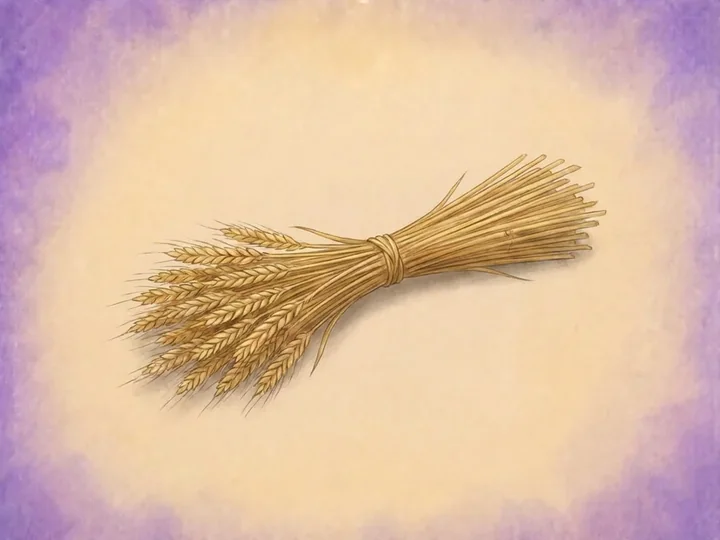
Straw
Straw consists of the dried stalks of cereal crops. It is high in fibre but low in energy and nutrients, and mainly serves as bedding and as low-calorie bulk.
Supplementary feed
Concentrates, balancer, minerals and salt that complement the forage.
-
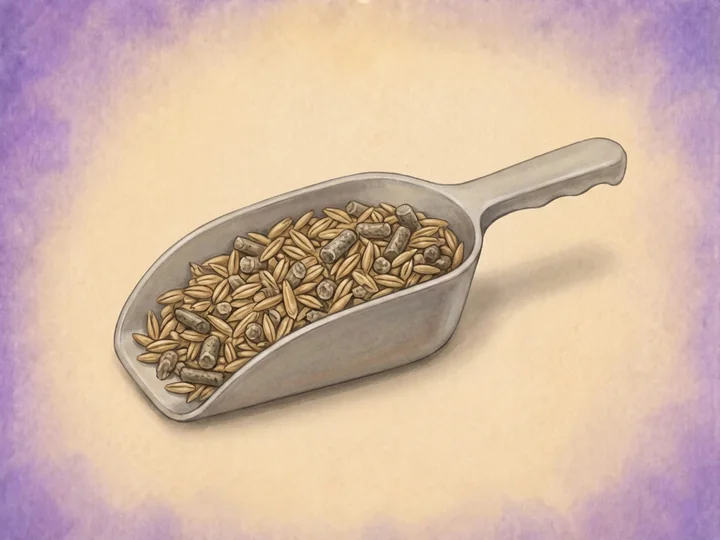
Concentrates
Concentrates is the collective term for energy-rich supplementary feed such as grains and mixed pellets or mueslis. It supplements the roughage but never replaces it.
-
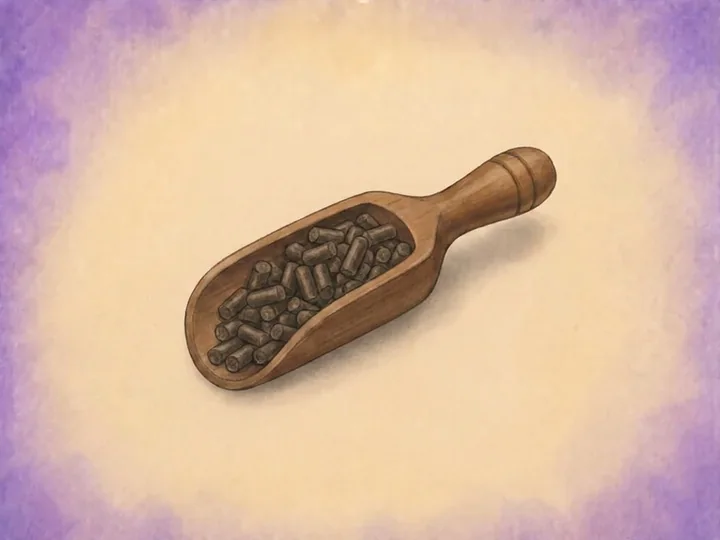
Balancer
A balancer is a concentrated feed with protein, vitamins and minerals but few calories, designed to fill gaps in a roughage-based ration.
-
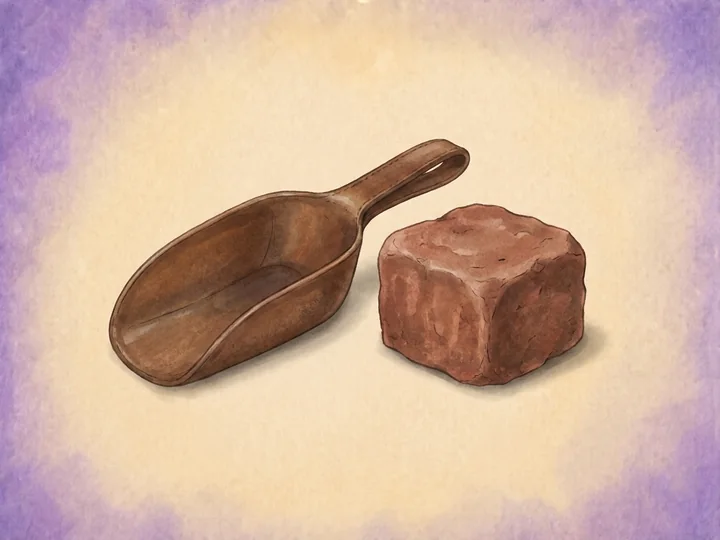
Minerals and vitamins
Alongside energy and protein, horses also need minerals and vitamins. Some are plentiful in roughage, while others are often lacking in it.
Nutrients and water
The building blocks in feed: water, fibre, sugar and starch, protein and energy.
-
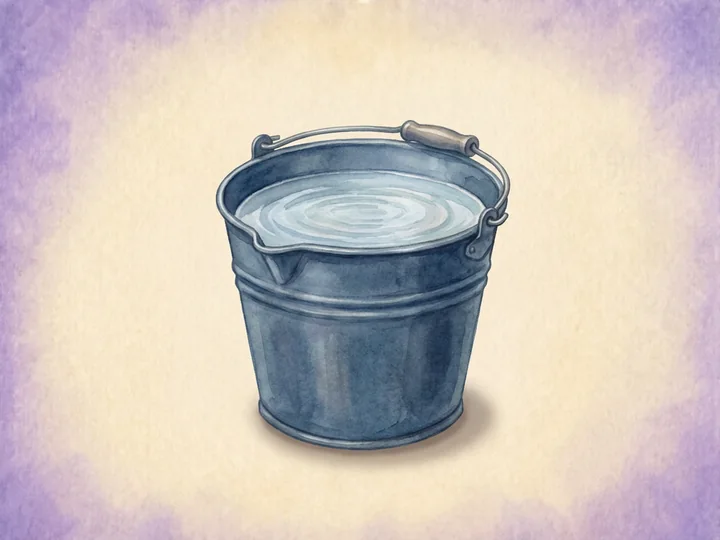
Water
Water is the single most important nutrient. A horse must always have access to fresh, clean water.
-
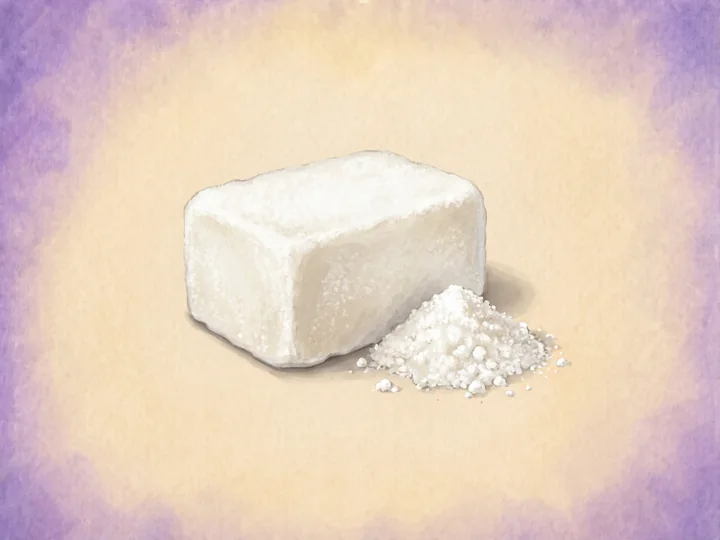
Salt
Salt provides sodium and chloride, two minerals that roughage and concentrates usually do not supply in sufficient amounts. That is why almost every horse needs access to salt all year round.
-
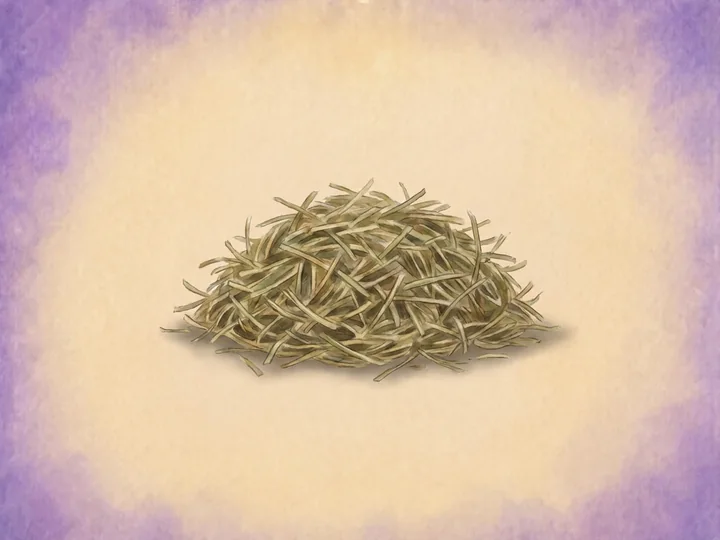
Fibre
Fibre is the structural part of plants and the most important nutrient for the horse. The horse does not digest fibre itself, but has it digested by micro-organisms in the large intestine.
-
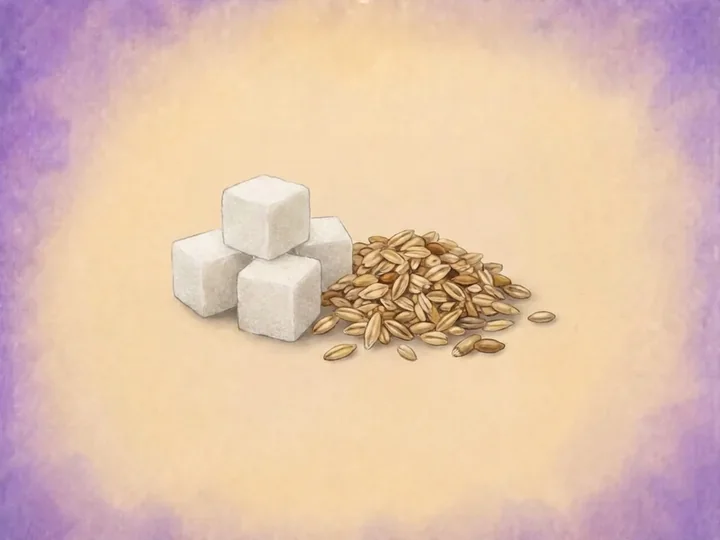
Sugar and starch
Sugar and starch are the quickly digestible carbohydrates in feed, together also known as non-structural carbohydrates or NSC. They provide quick energy, but too much at once is risky.
-
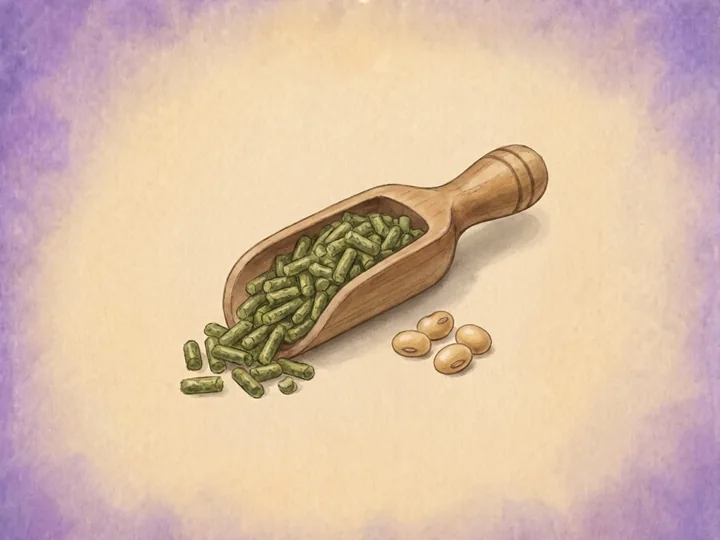
Protein
Protein provides the building blocks for muscle, skin, hooves and repair. What matters is not just the amount, but above all the quality.
-
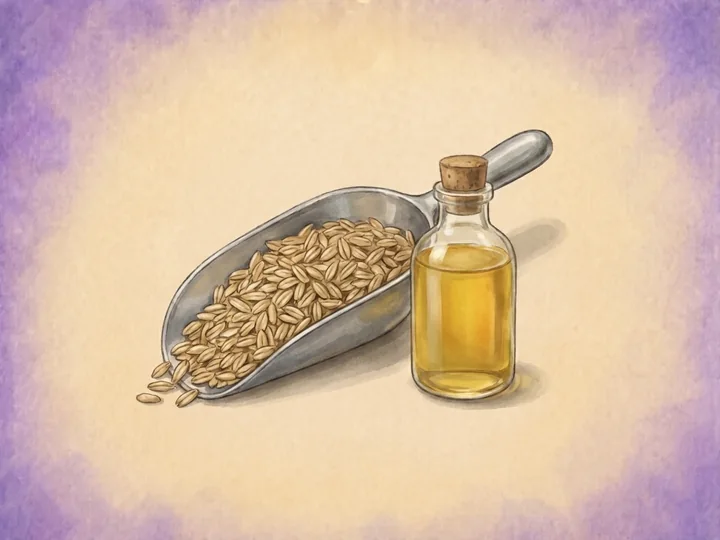
Energy
Energy is not a separate ingredient but what feed provides to move and to live. In horse feeding it is usually expressed as digestible energy.
The digestive system
From teeth to hindgut: how the horse digests its feed.
-
Teeth and chewing
Teeth and chewing
Chewing is the first step of digestion. Horses' teeth are special: they keep pushing through throughout life to keep up with the wear.
-
The stomach
The stomach
The horse's stomach is small in relation to the body and produces stomach acid around the clock. That suits an animal that eats small amounts all day long.
-
The small intestine
The small intestine
In the small intestine, digestion happens with the horse's own enzymes: this is where starch, sugar, protein and fat are broken down and taken up.
-
Cecum and large colon
Cecum and large colon
The caecum and the large colon together form the horse's large fermentation chamber, where the fibre is digested.
-
Gut microbiome
Gut microbiome
The gut microbiome is the large population of micro-organisms in the hindgut that digests the fibre for the horse. The horse and its microbes work together.
Feeding in practice
Judging condition, changing feed gradually and avoiding poisonous plants.
-
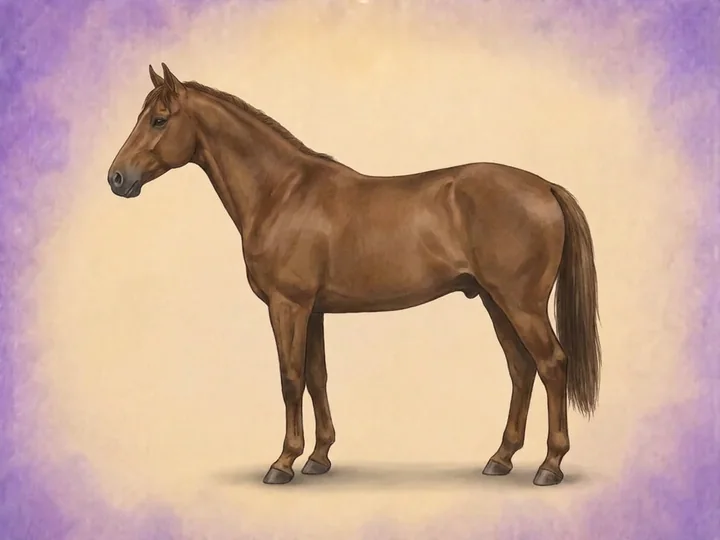
Body condition and Body Condition Score
The Body Condition Score (BCS) is a way to judge whether a horse is too thin, ideal or too fat, by looking and feeling at fixed points on the body.
-
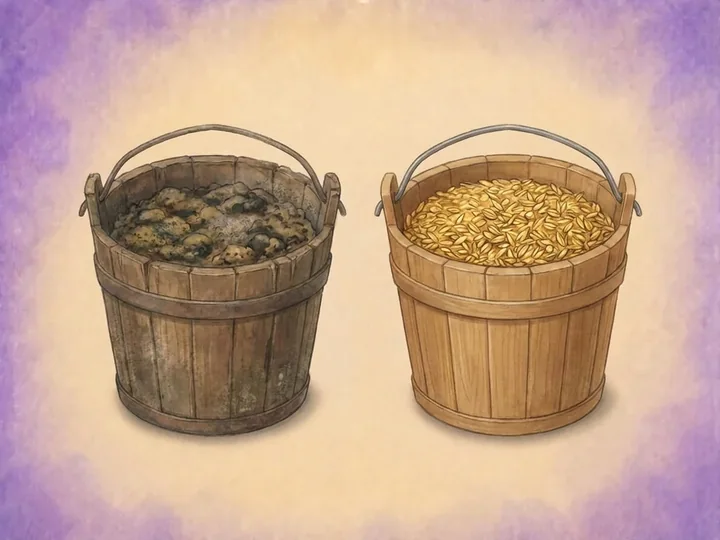
Feed changes
You always introduce new feed or new roughage gradually, so that the gut flora has time to adapt.
-
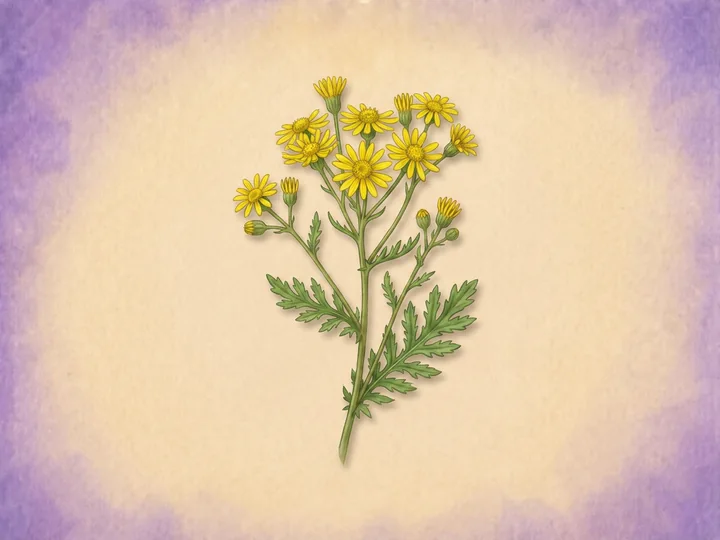
Poisonous plants
Many common plants, shrubs and trees are poisonous to horses. This is a short introduction and referral, not a complete safety list.