


Feed changes
You always introduce new feed or new roughage gradually, so that the gut flora has time to adapt.
General information, not individual feeding or ration advice. For your own horse, consult your vet or a nutritionist.
How does it work?
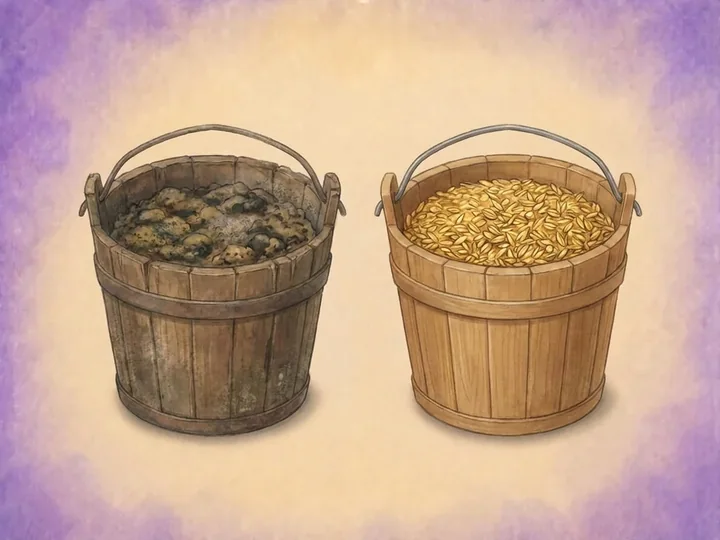
Every change in feed also changes the living environment of the micro-organisms in the hindgut, and they need time to adapt. A common approach is to spread the transition over about 7 to 14 days, and for a big change of roughage sometimes a little longer. In practice you start, for example, with about a quarter new feed and three-quarters old, and increase the share of new feed step by step.
Why it matters
A gradual transition protects the gut flora and reduces the chance of digestive problems. In the first period after a feed change the risk of colic is raised.
Common misconceptions
- Switching to different feed from one day to the next is not harmless, not even to 'better' feed.
- A change of hay or turnout also counts as a feed change and deserves a gradual transition.
What to watch for
Too fast a feed change increases the chance of colic and gut problems. Never change a feed abruptly; if there are signs of colic, quick contact with the vet is important.
Discover more
Sources: University of Minnesota Extension · University of Missouri Extension.