


Haylage
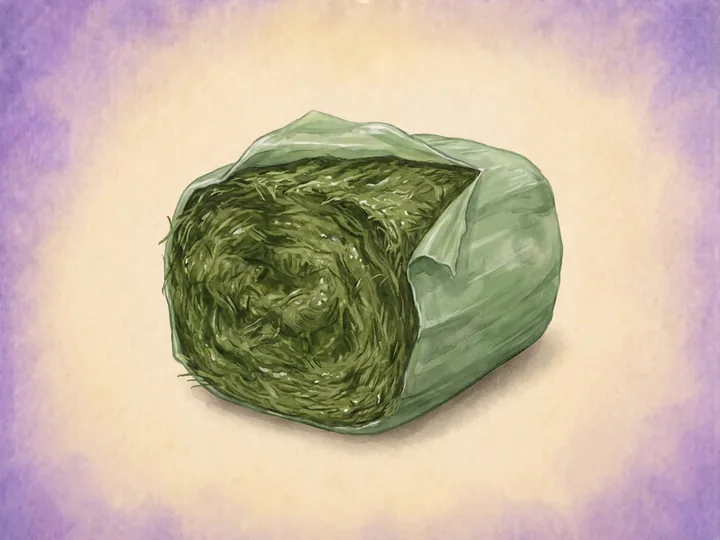
Haylage is grass that has been dried less than hay and wrapped airtight, after which it ferments slightly.
General information, not individual feeding or ration advice. For your own horse, consult your vet or a nutritionist.
How does it work?
Haylage is made by letting grass wilt to a higher moisture content than hay and then wrapping it in plastic. Without air it acidifies slightly, and that acidity keeps it preserved instead of drying. It contains more moisture than hay and produces far less dust, which is why it is often chosen for horses with respiratory problems. Most horses also find it palatable.
Why it matters
Haylage is a low-dust alternative to hay and handy for horses that are sensitive to dust. It does, however, need more care when stored than hay.
Common misconceptions
- Haylage is not the silage fed to cows: horse haylage is drier and wrapped differently.
- Haylage is not automatically low in sugar; just as with hay, that depends on the raw material.
What to watch for
As soon as the wrapping is damaged or open, haylage spoils quickly. Poorly fermented or too wet a product can let the bacterium Clostridium botulinum grow, which can cause botulism. Use well-wrapped product, throw away mouldy or foul-smelling bales, and feed an opened bale within a few days. If in doubt: talk to your vet.
Discover more
Sources: Kentucky Equine Research · Government of Ontario.