


Straw
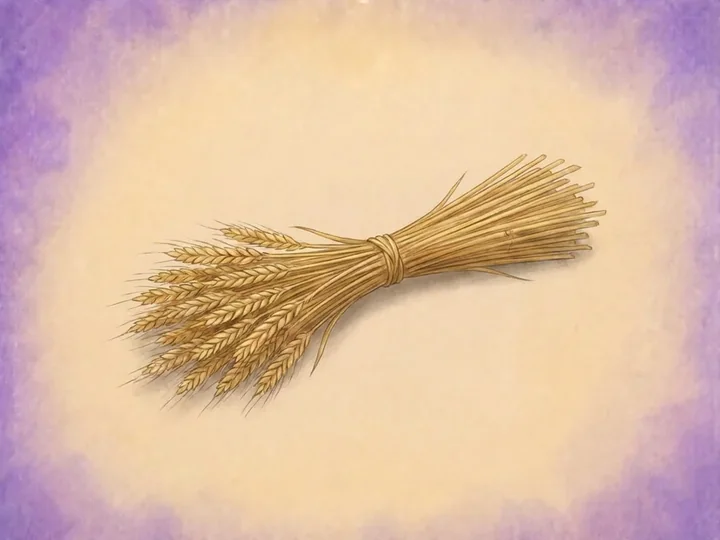
Straw consists of the dried stalks of cereal crops. It is high in fibre but low in energy and nutrients, and mainly serves as bedding and as low-calorie bulk.
General information, not individual feeding or ration advice. For your own horse, consult your vet or a nutritionist.
How does it work?
Straw comes from wheat, barley or oats and contains a lot of indigestible fibre (lignin) and little energy. It is used as bedding and sometimes as a low-calorie addition to the roughage, for example to let an easy keeper chew for longer without gaining weight. In that case straw usually replaces at most part of the hay, preferably on the advice of an expert.
Why it matters
For horses that put on weight quickly, some straw can help to keep the gut full and occupied without extra calories. It is not, however, a complete roughage on its own.
Common misconceptions
- Straw is not a complete roughage: as the only roughage it provides too few nutrients.
- Eating bedding is not always harmless; with too much intake or poor teeth it can cause problems.
What to watch for
Straw as the only or dominant source of roughage, introduced too quickly or given to horses with poor teeth, increases the chance of impaction colic. Introduce it gradually and mix it with other roughage.
Discover more
Sources: British Horse Society · Mad Barn. Figures are guide values from the source; provisional and not individual advice.