


Groundwork, leading and lunging
Handling a horse safely from the ground: approaching, leading, standing still and simple exercises, through to the basics of lunging. Each page explains what you do, what to watch for and when you need an experienced helper.
Handling and leading
The basics of handling a horse safely in hand.
-
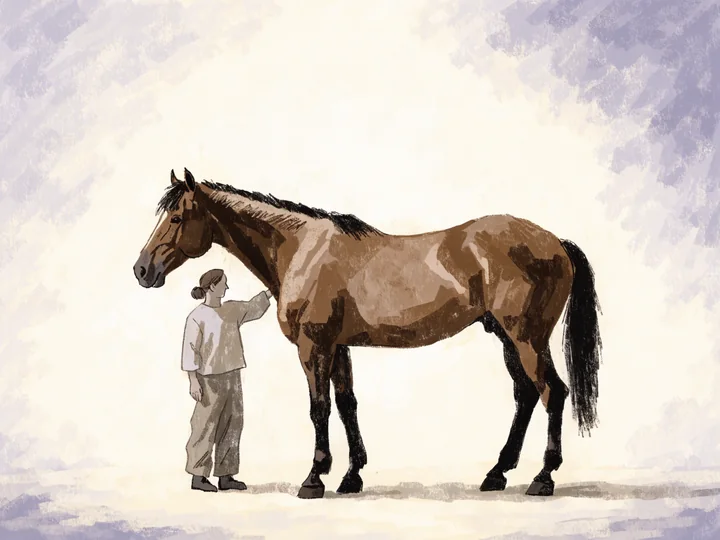
Approaching a horse
Walk calmly and visibly towards the horse's shoulder so it hears and sees you coming.
-
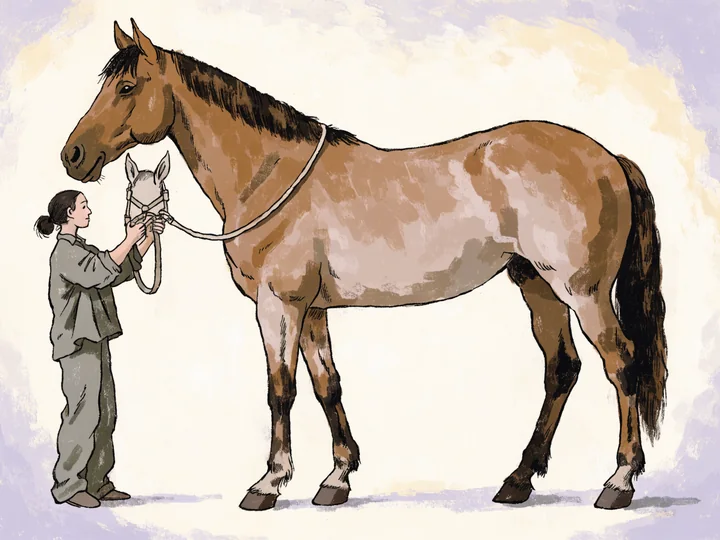
Putting on a halter
Put the halter on calmly while first keeping control with the rope around the neck.
-
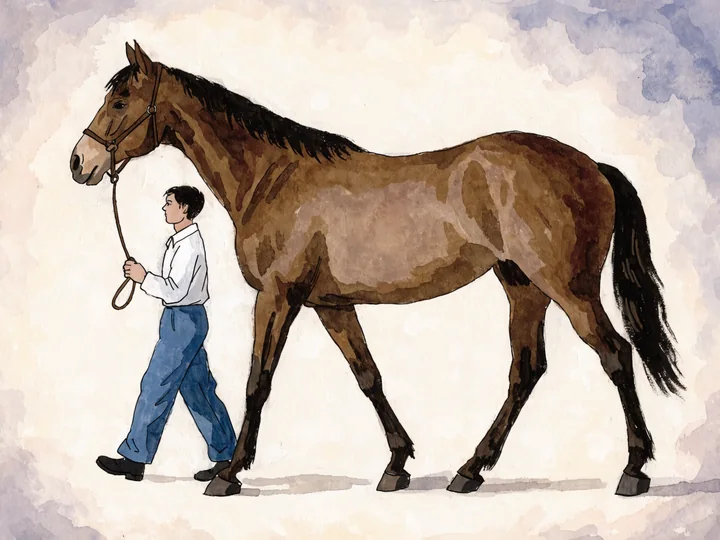
Leading a horse
Walk beside the shoulder with a little slack, never wrapping the rope around your hand.
-
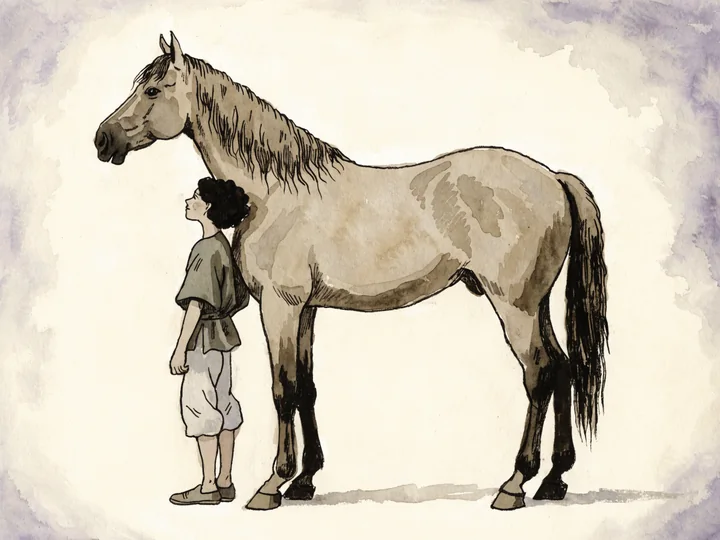
Standing still
Ask for a halt with a light aid and your voice, and release the pressure the instant the horse stands.
-
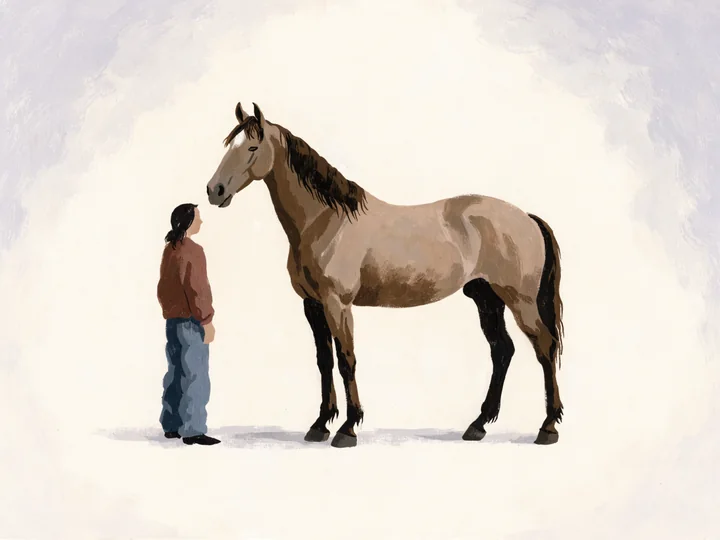
Personal space
A horse should respect your space and not come up against you uninvited.
-
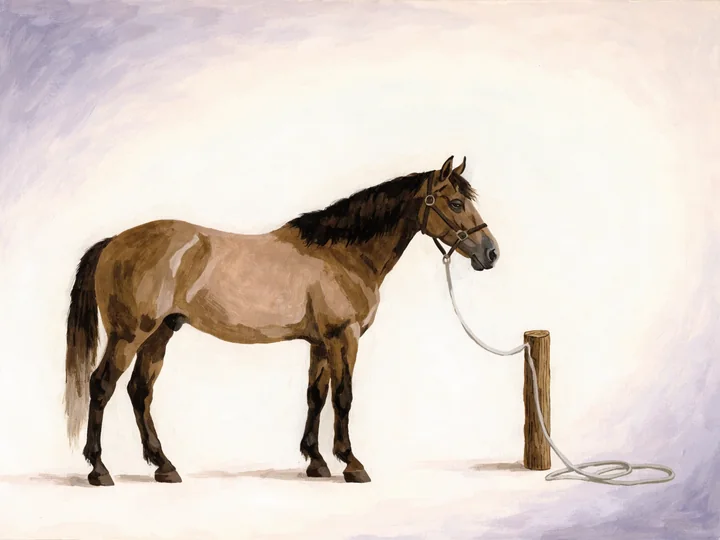
Tying up safely
Tie to a strong fixed point with a quick-release knot or safety clip, always to the halter.
Groundwork exercises
Simple exercises from the ground, based on light aids and reward.
-
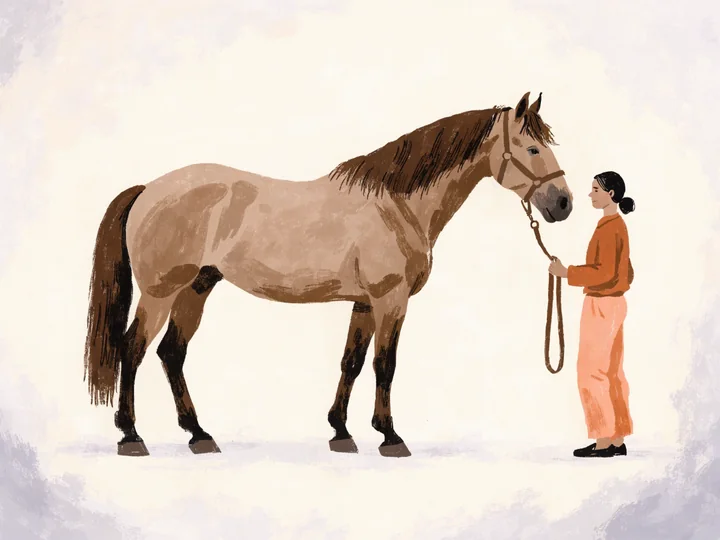
Backing up from the ground
From the ground, ask for a few steps back with a light, clear aid and release at once.
-
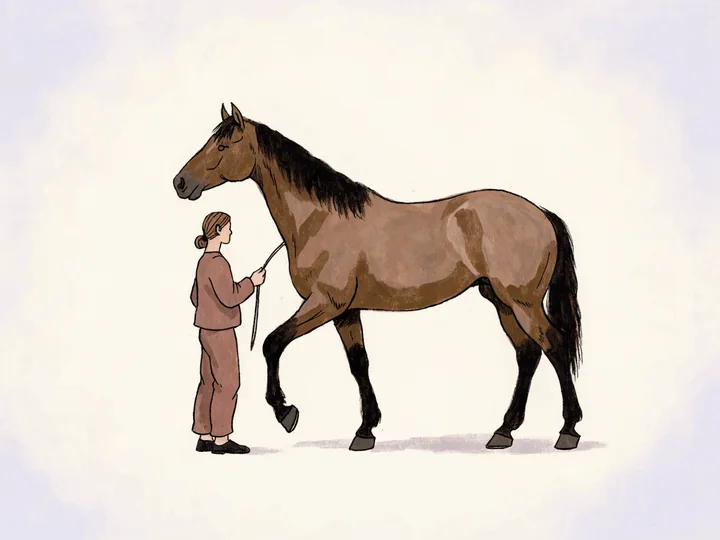
Moving the forehand
From the ground, ask the forehand to step sideways, away from a light aid at the shoulder.
-
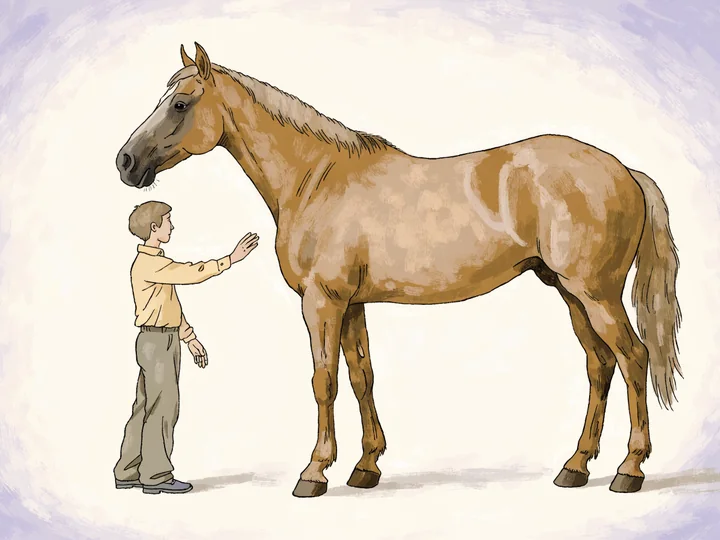
Yielding the hindquarters
From the ground, ask the hindquarters to step sideways, away from a light aid towards the flank.
-
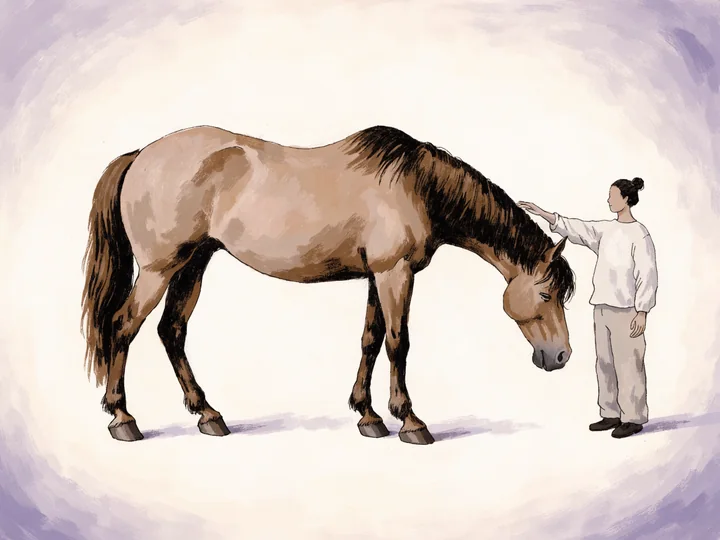
Lowering the head
A low head is a posture of relaxation that you can gently encourage, not force.
-
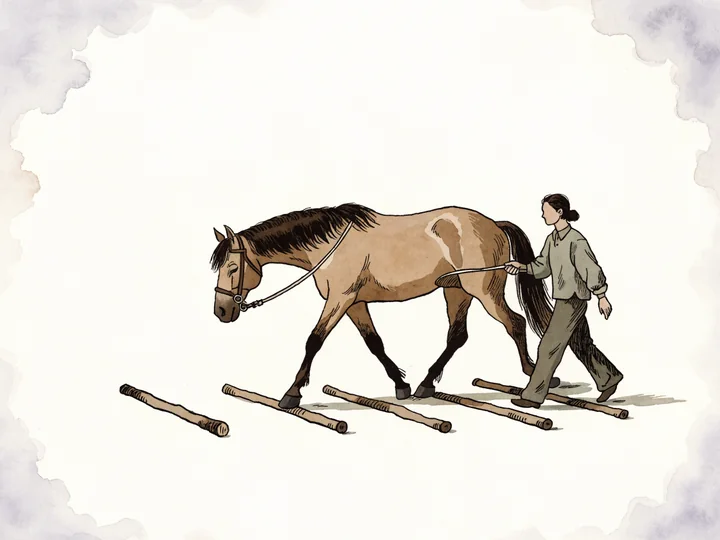
Walking over ground poles
Lead the horse calmly in hand over loose poles on the ground, with enough room between the poles.
-
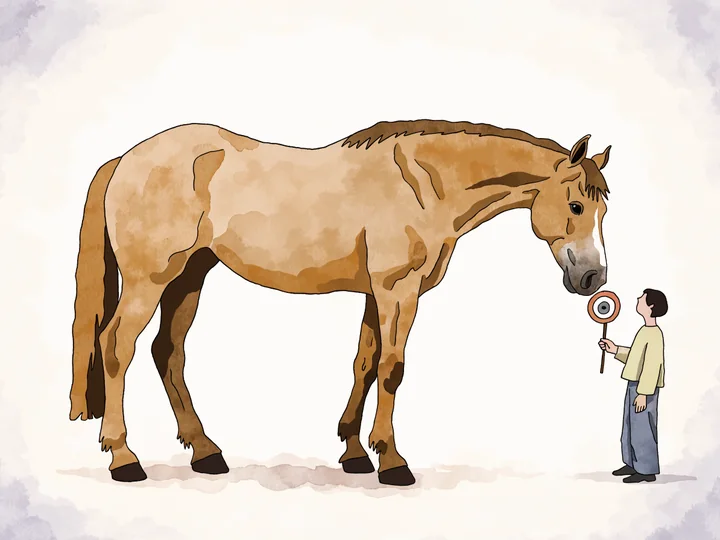
Simple target training
Teach the horse to touch an object with its nose, with a marker signal and a reward after.
Lunging
The basics of lunging, with the emphasis on safety and supervision.
-
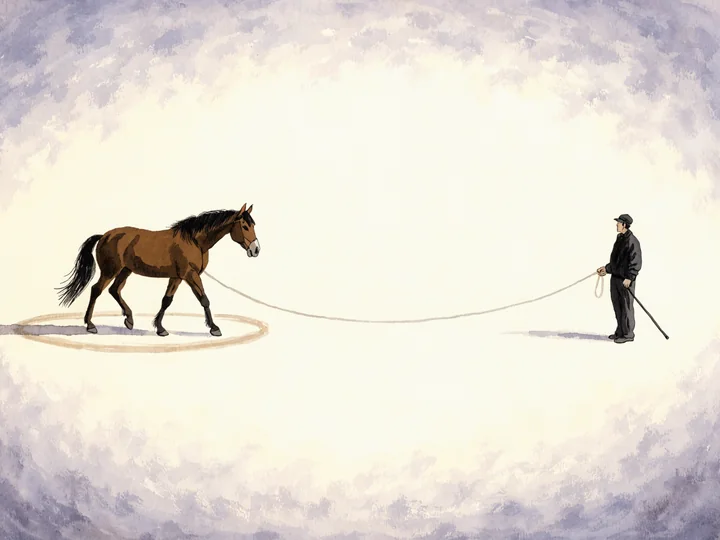
Lunging basics
Lunging is working the horse on a circle around a stationary handler on a long line.
-
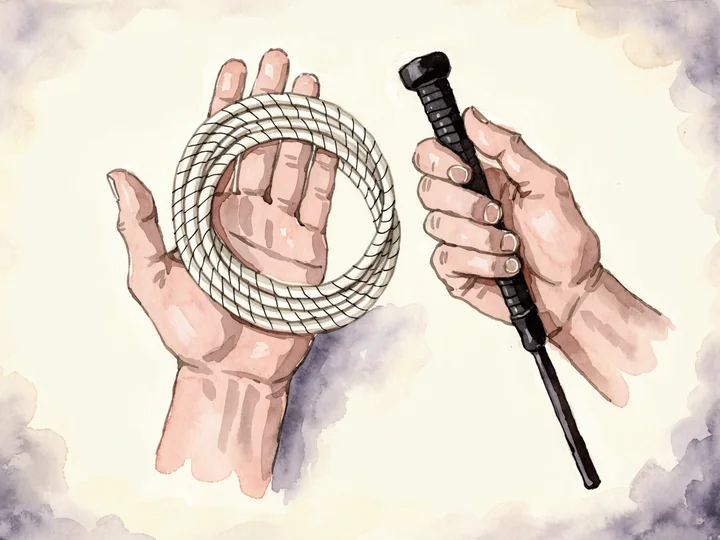
Holding the lunge line and whip
Hold the lunge line in flat, equal loops in the hand, never around hand or wrist, and handle the whip calmly.
-
Circle size and load
Circle size and load
Small circles load the joints heavily; work on generous circles and keep sessions short.
-
When not to lunge
When not to lunge
Do not lunge a young, unfit or lame horse, on hard or slippery footing, or without supervision.